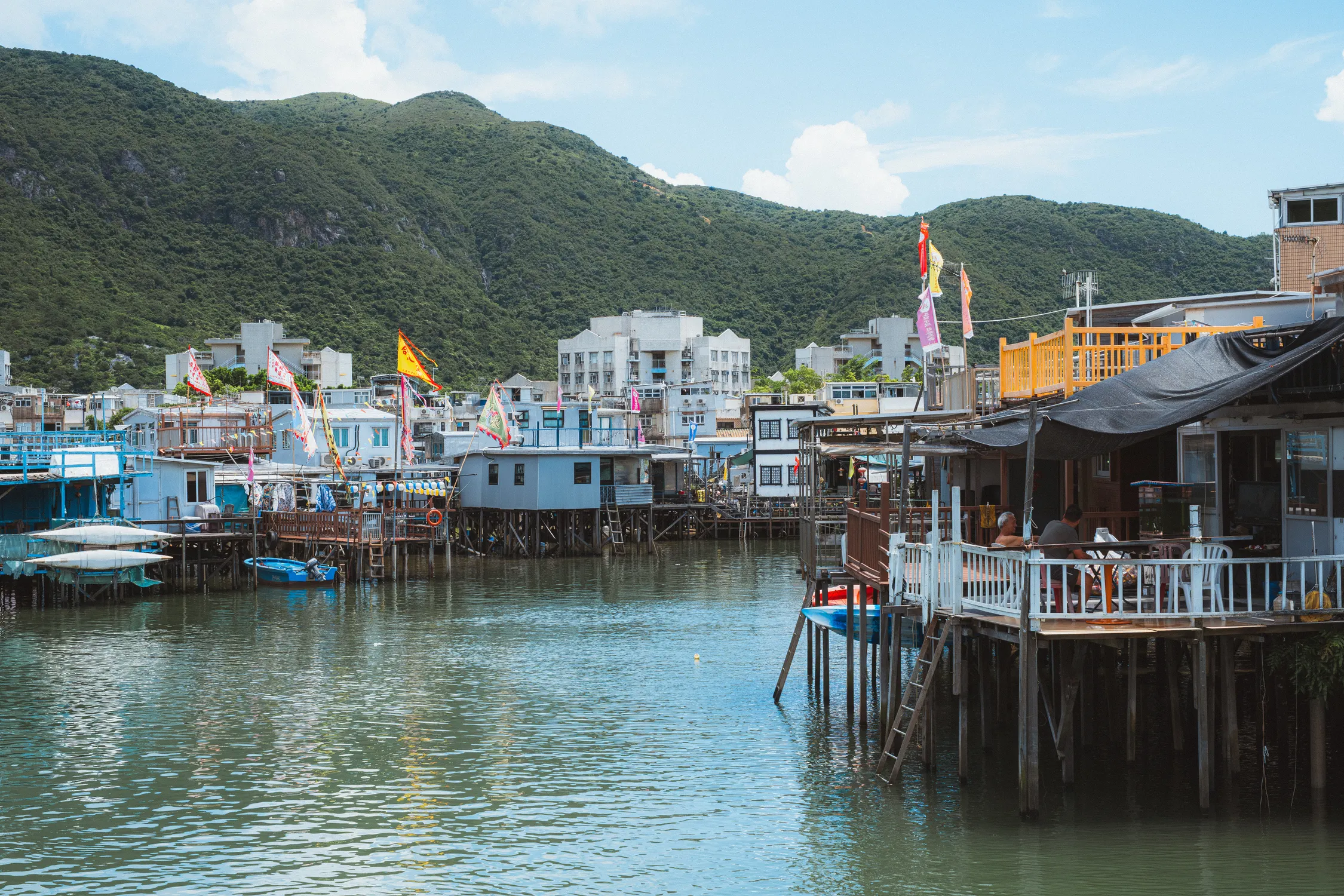
Stilt House Clusters
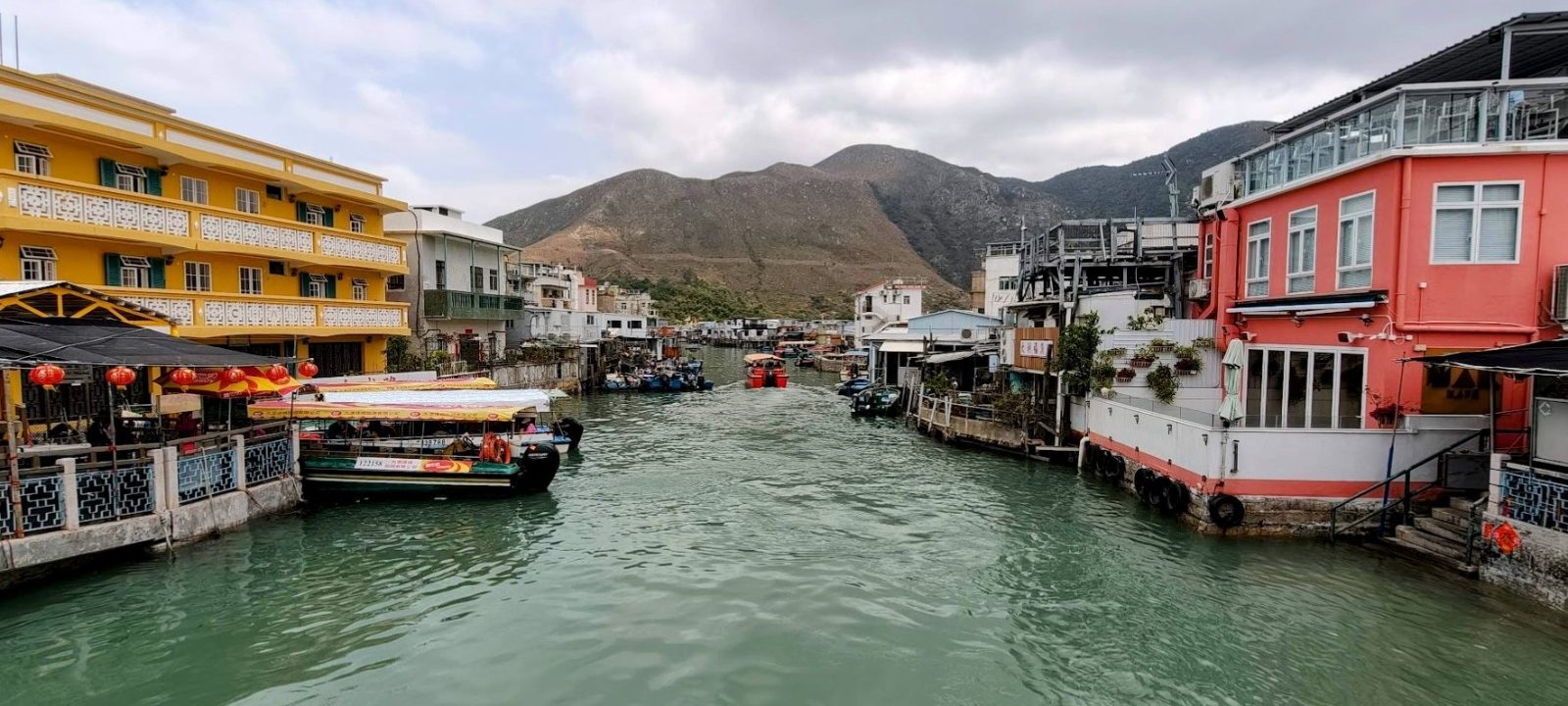
These interconnected wooden dwellings are built on tidal flats above the water and represent the village's signature architectural style.
View from the pedestrian bridges for clear perspectives of house foundations.

Tai O operates as a living settlement, not a gated attraction. The village spreads across tidal channels and footbridges, accessible any hour, with shops and boat operators running between mid-morning and late afternoon. Plan your arrival window and walking route to match the rhythm of this working waterfront.
Quick answer
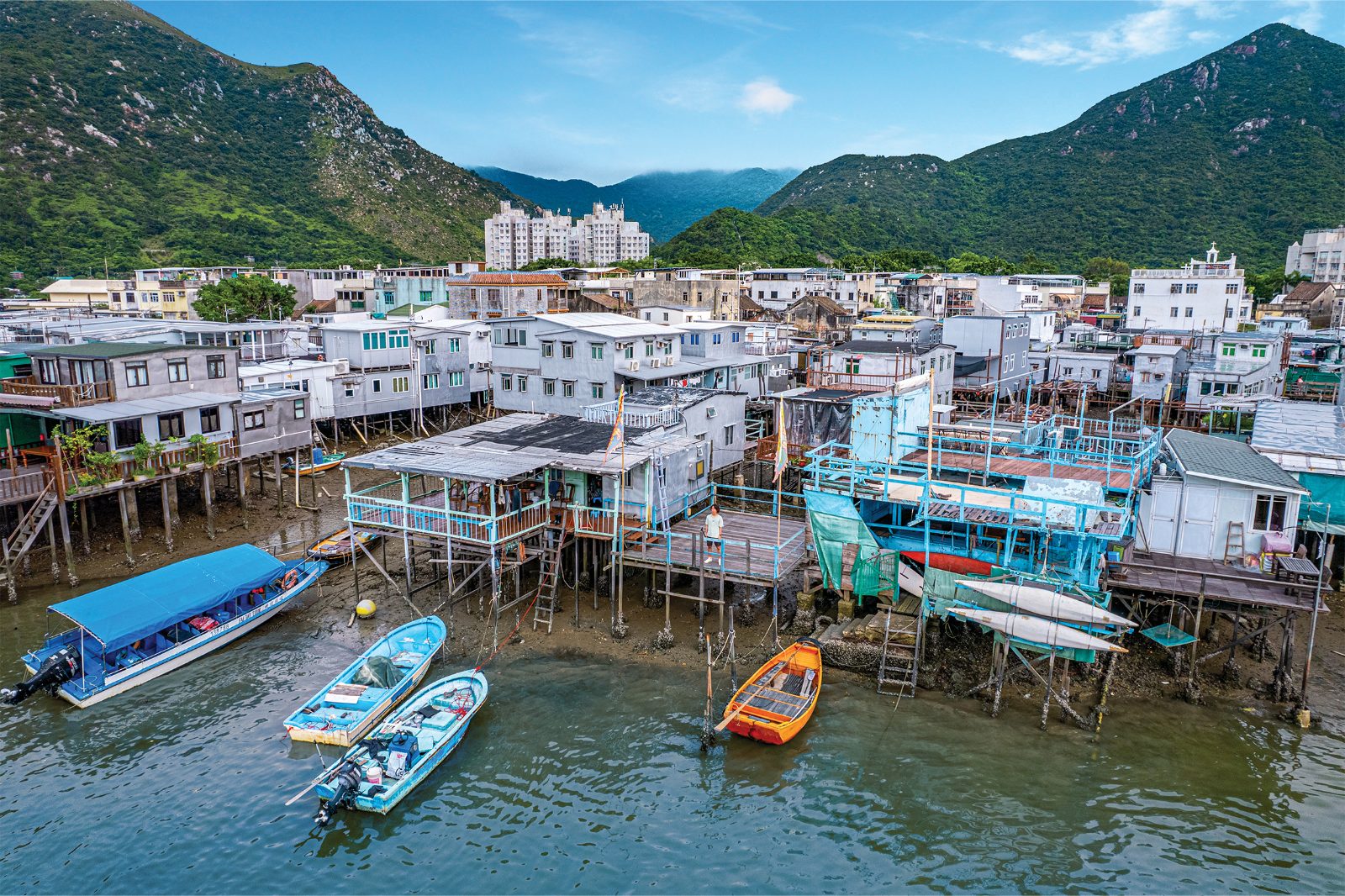
A tai o fishing village day trip typically requires four to five hours from door to door when traveling from Central or Kowloon. The village itself is open around the clock with no entrance fee, but most food stalls, souvenir shops, and boat tour operators work from 09:00 to 17:00. Arriving between 09:00 and 16:00 ensures full access to services and strong natural light for the stilt-house channels.
Tai O remains the only settlement in Hong Kong where residents still live above tidal water on wooden stilts. The village has no ticket booth, no closing time, and no perimeter fence—it functions as a neighborhood first and a visitor destination second. Most travelers allocate a half-day block for a tai o fishing village day trip, factoring in the 90-minute journey each way from Hong Kong Island or Kowloon. The core walking circuit—rope bridge, main market street, and waterfront promenade—covers roughly two kilometers and takes 90 minutes at a relaxed pace. Adding a 20-minute sampan tour through the stilt-house channels and a stop at one of the dried-seafood shops extends the visit to three hours on-site. The village wakes gradually. By 09:30, the shrimp-paste vendors have opened their storefronts along Tai O Market Street, and the first sampan captains begin shuttling visitors under the pang uk houses. Foot traffic peaks between 11:00 and 15:00, particularly on weekends when tour coaches arrive from Tung Chung. Visiting Lantau's fishing village before 10:00 or after 16:00 offers quieter lanes but reduced vendor availability. Three factors shape your itinerary: tide level, which affects sampan navigation and photo angles of the stilt structures; daylight, which drops quickly after 17:00 between November and February; and the operational hours of the heritage hotel and temple complexes near the village edges. The salt pans northwest of the rope bridge and Yeung Hau Temple on the hillside add 45 minutes each if included. Most visitors structure their route as a linear walk from the bus terminus to the far pier, then loop back through the market corridor, keeping the waterfront on their left to capture afternoon light on the pang uk facades.
“The village has no ticket booth, no closing time, and no perimeter fence—it functions as a neighborhood first and a visitor destination second.”
This itinerary suits visitors departing central Hong Kong in the morning and returning by evening, allowing 5–6 hours in Tai O with buffer time for transport. The sequence balances waterfront exploration, cultural sites, and a boat tour before the return journey.
Walk the boardwalks along Tai O Creek to see the iconic pang uk stilt houses and observe traditional fishing village life. Allow 45 minutes for photographs and orientation.
Stop at this 18th-century temple dedicated to the God of War, located near the village center. A quick 15-minute visit covers the incense-filled interior and forecourt.
Walk the main commercial lane for dried seafood, shrimp paste, and local snacks; vendors typically operate until late afternoon. Budget 45 minutes if sampling street food.
Join a 20-minute sampan ride departing from the waterfront to see stilt houses from the water and watch for Chinese white dolphins if conditions allow (sightings not guaranteed).
Choose from small eateries serving Cantonese seafood or noodle dishes; most close by 17:00 or earlier. Expect 45 minutes for a sit-down meal.
The 20-minute uphill walk to this colonial police station turned boutique hotel offers elevated views of the village and estuary. The terrace is open to non-guests.
Head back toward the bus terminus or ferry pier, allowing margin for wait times and the 50–70 minute journey to central Hong Kong or the MTR connection.
Tai O is located on the western coast of Lantau Island. The most reliable approach for visitors from central Hong Kong involves a combination of the MTR and a franchised bus.
Tung Chung Line to Tung Chung Station
New Lantau Bus 11 from Tung Chung Town Centre to Tai O Bus Terminus
Walk from Tai O Bus Terminus to the village center
Alighting at the Tai O Bus Terminus places you directly at the village entrance, where you can follow signage toward the stilt houses. Aim to arrive between 09:00 and 16:00 to coordinate with local activity.
The best arrival window for a Tai O fishing village day trip is 09:00–16:00. This timeframe provides an optimal balance of shop and attraction operating hours and sufficient daylight for photography.
—
Arriving before noon allows for a quieter exploration of the stilt houses and narrow alleys before day-trippers arrive.
—
The village experiences significantly higher crowd levels, which may result in longer wait times for local food vendors and boat excursions.
Mild and dry, 20°C–25°C
Lower humidity and pleasant temperatures make this season the most comfortable for walking the village paths and surrounding trails.
Hot and humid, 28°C–32°C
Expect high temperatures and occasional tropical storms. Plan for frequent hydration and periods of shade during the middle of the day.
Verdict: Plan your visit between 09:00 and 16:00 on a weekday during October or November for the most manageable crowd levels and comfortable weather.
Tai O Fishing Village is a public area accessible to visitors throughout the entire week. As an open-air destination, the village does not operate under gated access.
Tai O Fishing Village is defined by its historic architecture and traditional lifestyle, centered around the interplay of water and land. Exploring these landmarks provides insight into the maritime heritage of Lantau Island.
These interconnected wooden dwellings are built on tidal flats above the water and represent the village's signature architectural style.
View from the pedestrian bridges for clear perspectives of house foundations.
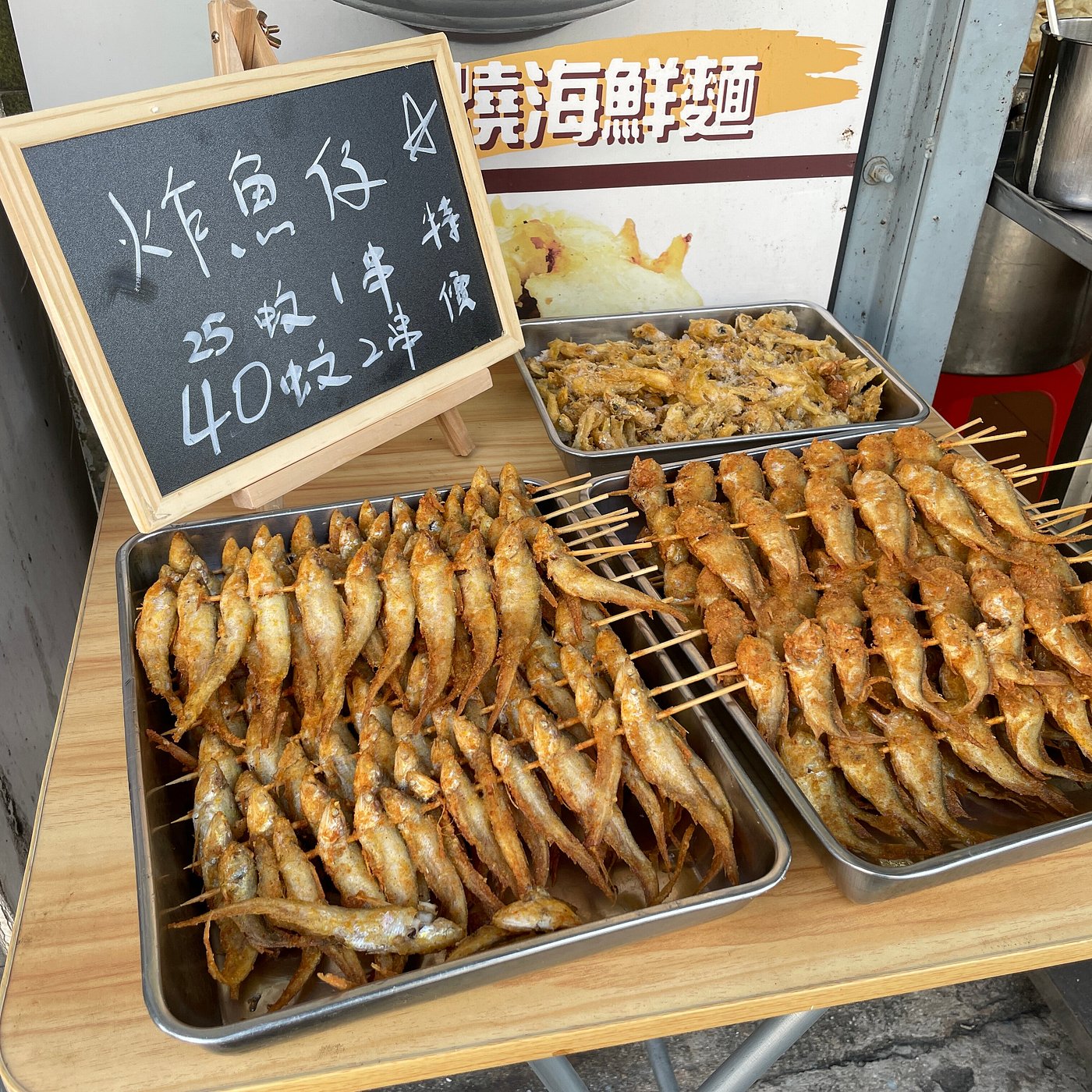
Located along the main waterfront streets, this area features stalls selling dried seafood, salted fish, and locally crafted snacks.
Visit during the best arrival window to see vendors actively trading.
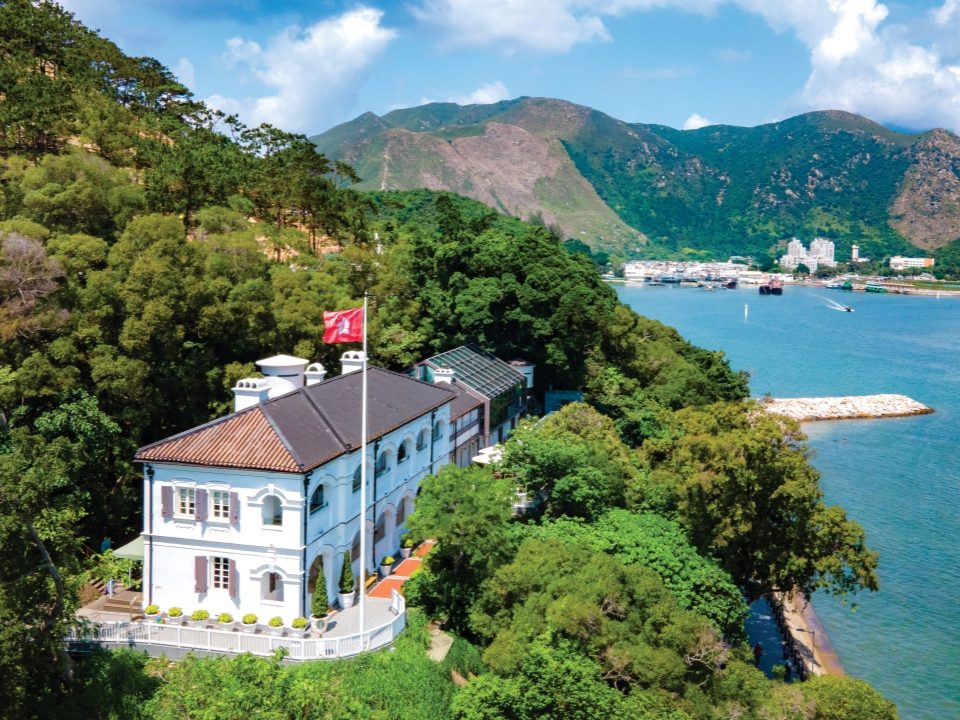
Housed in the former Tai O Police Station, this colonial-era building overlooks the sea and preserves local history.
Walk to the rooftop garden for views of the surrounding bay.
This iconic blue drawbridge connects the two main sections of the village and provides a central crossing point.
Cross slowly to observe boat traffic passing through the main waterway.
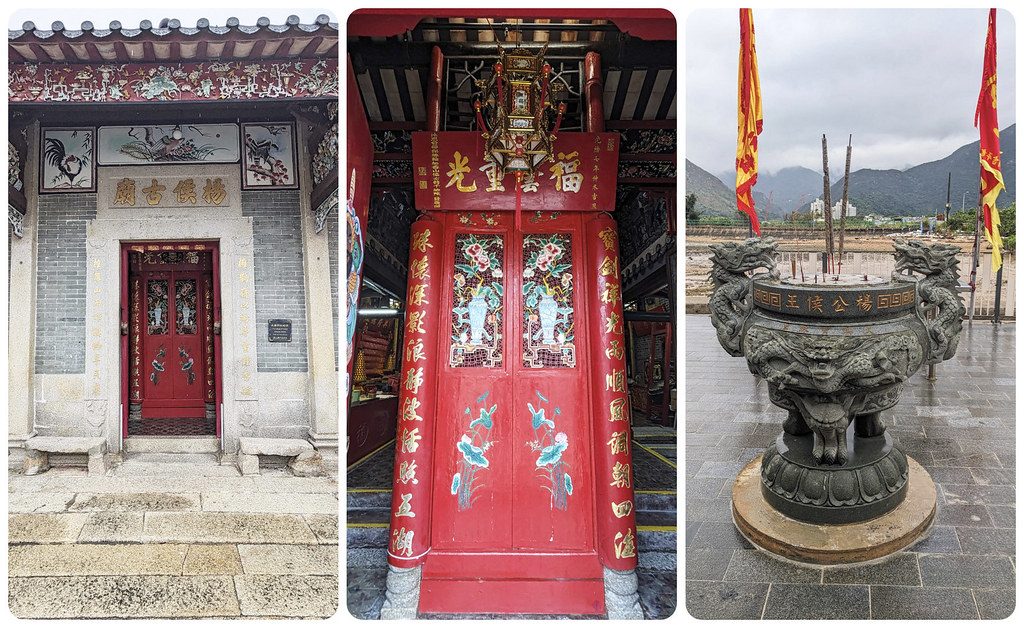
Dating back to the 17th century, this historic temple is dedicated to Hau Wong and displays traditional ornate wood carvings.
Observe the interior roof details and stone craftsmanship.
Everything you need to know about tai o fishing village day trip
A tai o fishing village day trip requires 0 HKD for entry, as there are no gates or ticket booths for general access. You only need to budget for your own transport and any personal expenses for local snacks or boat excursions.
The site is accessible 24 hours a day, seven days a week, meaning your tai o fishing village day trip can be planned at your convenience. Please note that individual shops and specific attractions within the area operate on their own schedules.
For an optimal tai o fishing village day trip, we recommend arriving between 09:00 and 16:00 to balance shop operating hours with daylight for photography. This window ensures you have enough time to explore the stilt houses and coastal scenery before the evening sets in.
Yes, you can freely walk through the narrow lanes to view the traditional stilt houses that define this Lantau Island landmark. We suggest maintaining a respectful distance from private residences while observing the unique architecture and local heritage.
Visitors typically reach the area by taking a bus or ferry from Tung Chung or Mui Wo to the Lantau Island terminus. Once you arrive, the village is easily navigable on foot, allowing you to immerse yourself in the local culture of this traditional fishing hub.
While the village is a historic site, basic public facilities are available for visitors throughout the area. If you require further assistance or specific logistical information, you can reach out via +85297114727 for general inquiries.